

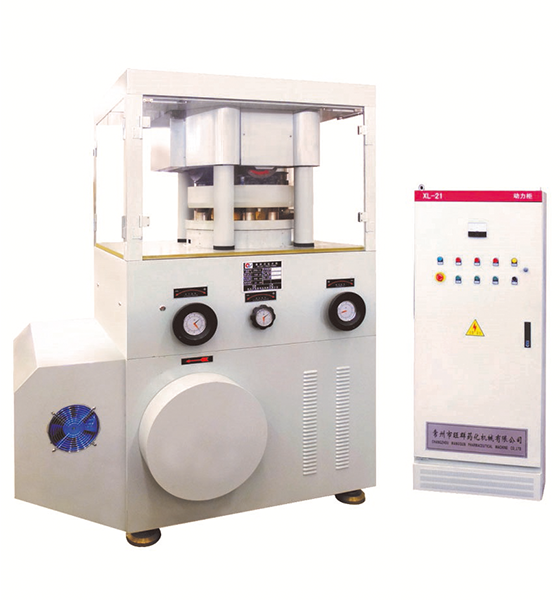
Training Operators for Efficient and Safe Tablet Press Use
Introduction
Tablet presses are critical machines in pharmaceutical and nutraceutical manufacturing, responsible for compressing powdered or granulated materials into solid tablets of precise weight, size, and hardness. Efficient and safe operation of tablet presses is essential to ensure product quality, minimize waste, and prevent workplace accidents.
Proper training for tablet press operators is crucial to achieving these goals. Well-trained operators can optimize machine performance, troubleshoot common issues, and adhere to safety protocols. This comprehensive guide outlines key aspects of training operators for efficient and safe tablet press use, covering machine fundamentals, operational best practices, safety measures, troubleshooting, and maintenance.
---
1. Understanding Tablet Press Fundamentals
Before operating a tablet press, operators must understand its basic components and functions. Tablet presses can be classified into two main types:
1.1 Single-Station (Single-Punch) Tablet Presses
- Used for small-scale production or R&D.
- Operate with one die and one set of punches.
- Simple mechanism but slower output.
1.2 Rotary Tablet Presses
- High-speed production with multiple dies and punches.
- Capable of producing thousands of tablets per hour.
- More complex but highly efficient.
Key Components of a Tablet Press
1. Hopper – Holds the granulated or powdered material.
2. Feeder System – Distributes material into the dies.
3. Dies and Punches – Shape and compress the material into tablets.
4. Compression Rollers – Apply pressure to form tablets.
5. Ejection System – Removes finished tablets from the dies.
6. Control Panel – Adjusts speed, pressure, and other parameters.
7. Safety Guards – Protect operators from moving parts.
Understanding these components helps operators recognize how the machine functions and identify potential issues.
---
2. Pre-Operational Checks
Before starting the tablet press, operators must perform several checks to ensure smooth operation:
2.1 Machine Inspection
- Verify that all guards and safety mechanisms are in place.
- Check for loose bolts, misaligned parts, or signs of wear.
- Ensure lubrication points are adequately greased.
2.2 Material Preparation
- Confirm that the powder or granules meet specifications (moisture content, particle size).
- Ensure proper blending to avoid segregation.
- Load material into the hopper carefully to prevent contamination.
2.3 Tooling Setup
- Inspect punches and dies for damage or wear.
- Ensure correct alignment to prevent tablet defects.
- Verify that tooling matches the required tablet shape and size.
2.4 Calibration
- Adjust compression force to achieve desired tablet hardness.
- Set the fill depth to control tablet weight.
- Conduct trial runs to confirm settings before full production.
---
3. Operational Best Practices
Efficient tablet press operation requires adherence to standardized procedures:
3.1 Startup Procedure
1. Power on the machine and allow it to initialize.
2. Run at low speed to check for abnormal noises or vibrations.
3. Gradually increase speed while monitoring tablet quality.
3.2 Monitoring During Operation
- Regularly check tablet weight, hardness, and thickness.
- Observe for sticking, capping, or chipping.
- Ensure consistent powder flow to prevent weight variation.
3.3 Adjustments and Troubleshooting
- If tablets are too soft, increase compression force.
- If weight varies, adjust the fill depth or feeder speed.
- If sticking occurs, check for worn tooling or excessive moisture.
3.4 Shutdown Procedure
1. Gradually reduce speed before stopping.
2. Empty the hopper and clean residual material.
3. Perform a visual inspection of punches and dies.
4. Record any issues for maintenance follow-up.
---
4. Safety Measures for Tablet Press Operation
Tablet presses involve high-pressure compression and moving parts, posing risks such as:
- Crush injuries from moving punches.
- Noise exposure from high-speed operation.
- Dust inhalation from powdered materials.
- Electrical hazards from improper handling.
4.1 Personal Protective Equipment (PPE)
- Safety goggles to protect eyes from dust and debris.
- Gloves to prevent hand injuries.
- Ear protection in high-noise environments.
- Lab coats or coveralls to minimize contamination.
4.2 Machine Safety Features
- Emergency stop buttons for immediate shutdown.
- Interlock guards that halt operation when opened.
- Light curtains to detect operator presence near danger zones.
4.3 Safe Work Practices
- Never bypass safety mechanisms.
- Avoid reaching into the machine while it is running.
- Follow lockout/tagout (LOTO) procedures during maintenance.
- Keep the work area clean to prevent slips and falls.
---
5. Common Tablet Defects and Solutions
Operators must recognize and address common tablet defects:
| Defect | Possible Cause | Solution |
|------------------|-----------------------------|--------------|
| Capping | Excessive compression force | Reduce force or pre-compression |
| Sticking | Worn tooling or moisture | Polish punches or adjust formulation |
| Chipping | Brittle granules | Optimize binder content |
| Weight variation | Uneven powder flow | Adjust feeder speed or hopper level |
| Double impression | Misaligned punches | Realign or replace tooling |
Early detection and correction prevent batch failures and downtime.
---
6. Maintenance and Cleaning
Regular maintenance extends machine life and ensures consistent performance:
6.1 Daily Maintenance
- Clean punches and dies to prevent material buildup.
- Inspect for wear and replace damaged parts.
- Lubricate moving components as per manufacturer guidelines.
6.2 Preventive Maintenance Schedule
- Weekly: Check belts, bearings, and electrical connections.
- Monthly: Calibration of compression force sensors.
- Annually: Full machine overhaul by qualified technicians.
6.3 Cleaning Procedures
- Use approved cleaning agents to avoid contamination.
- Disassemble removable parts for thorough cleaning.
- Document cleaning logs for compliance with Good Manufacturing Practices (GMP).
---
7. Training and Continuous Improvement
Effective operator training includes:
- Hands-on practice under supervision.
- Standard Operating Procedures (SOPs) for reference.
- Regular refresher courses to reinforce best practices.
- Performance evaluations to identify skill gaps.
Encouraging a culture of continuous improvement helps operators stay updated on new technologies and safety standards.
---
Conclusion
Training tablet press operators for efficiency and safety is a multifaceted process that combines technical knowledge, hands-on practice, and strict adherence to safety protocols. By understanding machine fundamentals, following operational best practices, recognizing defects early, and maintaining equipment properly, operators can maximize productivity while minimizing risks.
Investing in comprehensive training programs ensures that operators are well-prepared to handle tablet presses competently, leading to higher-quality products, reduced downtime, and a safer work environment. Continuous learning and adherence to industry standards further enhance operational excellence in tablet manufacturing.
Copyright © 2025 Changzhou Wangqun Pharmaceutical Machinery Co., Ltd. Tous droits réservés.
Plan du siteCe site Web utilise des cookies pour vous garantir la meilleure expérience sur notre site Web.
 English
 Español
 Pусский
 العربية



 Téléphone
Commentaire
(0)