

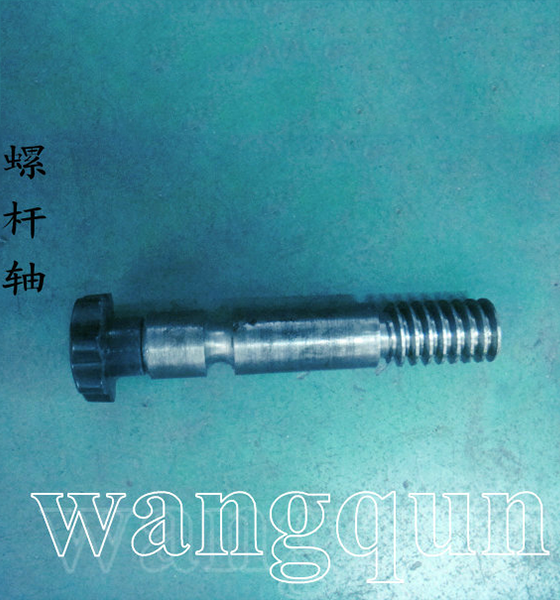
Tablet Press for Safe and Efficient Operation
Introduction
Tablet presses, also known as tablet compression machines, are essential equipment in the pharmaceutical, nutraceutical, and chemical industries. They are used to compress powdered or granulated materials into tablets of uniform size, weight, and hardness. Ensuring the safe and efficient operation of tablet presses is critical to maintaining product quality, minimizing downtime, and preventing workplace accidents.
This guide provides a comprehensive overview of tablet press operation, focusing on safety protocols, maintenance, troubleshooting, and best practices for optimal performance.
---
1. Understanding Tablet Press Components
Before operating a tablet press, it is essential to understand its key components:
1.1 Hopper
- Stores the powder or granules before feeding into the die cavity.
- Must be kept clean to prevent contamination.
1.2 Feeder System
- Ensures uniform distribution of material into the dies.
- Common types: gravity-fed, force-fed, and paddle-assisted feeders.
1.3 Die and Punches
- The die is a cavity where the powder is compressed.
- Punches (upper and lower) apply pressure to form the tablet.
- Must be inspected regularly for wear and damage.
1.4 Compression Rollers
- Apply force to the punches to compress the powder.
- Proper lubrication is necessary to prevent excessive friction.
1.5 Ejection System
- Removes the finished tablet from the die.
- Misalignment can cause tablet sticking or breakage.
1.6 Control Panel
- Allows operators to adjust speed, pressure, and other parameters.
- Modern tablet presses feature touchscreen interfaces for precise control.
---
2. Safety Measures for Tablet Press Operation
Safety is paramount when operating a tablet press. The following measures should be strictly followed:
2.1 Personal Protective Equipment (PPE)
- Gloves – Protect hands from sharp edges and moving parts.
- Safety goggles – Prevent eye injuries from flying particles.
- Ear protection – Required in high-noise environments.
- Lab coats or coveralls – Minimize contamination and protect clothing.
2.2 Machine Guarding
- Interlocks – Prevent operation when guards are open.
- Emergency stop buttons – Must be easily accessible.
- Barrier guards – Protect operators from rotating parts.
2.3 Lockout/Tagout (LOTO) Procedures
- Before maintenance or cleaning, disconnect power and apply LOTO.
- Only authorized personnel should perform adjustments or repairs.
2.4 Proper Training
- Operators must be trained in machine operation, safety protocols, and emergency procedures.
- Regular refresher courses should be conducted.
2.5 Material Handling Safety
- Avoid inhalation of fine powders by using dust extraction systems.
- Follow proper handling procedures for hazardous materials.
---
3. Efficient Operation of Tablet Presses
To maximize productivity and tablet quality, follow these best practices:
3.1 Pre-Operation Checks
- Inspect punches and dies – Ensure they are clean and free from damage.
- Verify lubrication – Check oil levels and apply lubricant as needed.
- Calibrate the press – Confirm that weight, hardness, and thickness settings are accurate.
3.2 Optimal Compression Parameters
- Adjust compression force – Too much pressure can cause capping, while too little may result in weak tablets.
- Control turret speed – Higher speeds increase output but may affect tablet quality.
- Monitor tablet weight – Use in-line sensors to detect variations.
3.3 Preventing Common Tablet Defects
- Capping – Caused by excessive compression or air entrapment; adjust force and pre-compression settings.
- Sticking – Occurs when material adheres to punches; use anti-adherent coatings or polish punches.
- Chipping – Results from brittle formulations or improper ejection; optimize punch speed and formulation.
3.4 Cleaning and Maintenance
- Daily cleaning – Remove residual powder to prevent cross-contamination.
- Scheduled maintenance – Replace worn parts, check alignment, and lubricate moving components.
- Record keeping – Document maintenance activities for traceability.
---
4. Troubleshooting Common Issues
| Issue | Possible Cause | Solution |
|-----------|-------------------|--------------|
| Uneven tablet weight | Uneven powder feed, die wear | Adjust feeder, replace dies |
| Tablet sticking | Poor lubrication, high moisture | Polish punches, use anti-adherent |
| Excessive noise | Misaligned parts, lack of lubrication | Inspect and realign components |
| Low tablet hardness | Insufficient compression force | Increase compression pressure |
| Machine jamming | Foreign particles, misaligned punches | Clean dies, check punch alignment |
---
5. Conclusion
Operating a tablet press safely and efficiently requires a thorough understanding of its components, adherence to safety protocols, and proper maintenance. By following best practices in compression settings, material handling, and troubleshooting, manufacturers can ensure high-quality tablet production while minimizing downtime and workplace hazards.
Regular training, preventive maintenance, and strict compliance with safety standards are essential for long-term operational success. Investing in modern tablet presses with advanced control systems can further enhance efficiency and product consistency.
By prioritizing safety and efficiency, operators can maximize the performance of tablet presses while ensuring a safe working environment.
Copyright © 2025 Changzhou Wangqun Pharmaceutical Machinery Co., Ltd. Tous droits réservés.
Plan du siteCe site Web utilise des cookies pour vous garantir la meilleure expérience sur notre site Web.
 English
 Español
 Pусский
 العربية



 Téléphone
Commentaire
(0)