

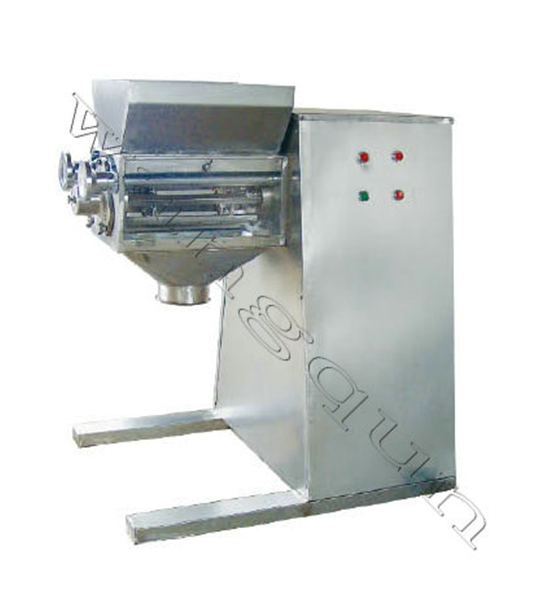
Upgrade Plan for Higher Productivity in Disinfection Tablet Presses
Industry Background and Market Demand
The global demand for disinfection tablets has surged in recent years, driven by heightened hygiene awareness in healthcare, food processing, and water treatment industries. Tablet presses, the core equipment in producing these disinfectant compacts, must meet stringent efficiency and quality standards. However, many manufacturers still rely on outdated machinery, leading to bottlenecks in production speed, consistency, and compliance with regulatory standards.
To address these challenges, upgrading disinfection tablet presses with advanced automation, precision tooling, and optimized material handling has become a priority. The market increasingly favors presses that minimize downtime, reduce waste, and ensure uniform tablet hardness—critical factors for disinfectant efficacy.
Core Concepts and Key Technologies
1. High-Speed Compression
Modern tablet presses employ servo-driven compression systems that adjust force dynamically, ensuring consistent tablet density even at high output rates (up to 500,000 tablets/hour). Unlike mechanical presses, servo systems reduce wear and allow real-time adjustments for different formulations.
2. Precision Tooling and Die Design
The geometry of punches and dies directly impacts tablet integrity. Carbide-coated tooling extends lifespan, while multi-tip designs increase throughput. Advanced finite element analysis (FEA) optimizes stress distribution, preventing capping or lamination defects.
3. Automated Quality Control
Integrated vision systems and near-infrared (NIR) sensors detect weight variations, hardness deviations, or surface defects, rejecting substandard tablets before packaging. This reduces waste and ensures compliance with pharmacopeial standards (e.g., USP, EP).
Product Structure and Manufacturing Considerations
1. Frame and Drive Mechanism
A rigid, vibration-dampened frame (often cast iron or steel alloy) ensures stability during high-speed operation. Direct-drive systems eliminate gear backlash, enhancing precision.
2. Material Handling Systems
Feeders must handle hygroscopic or abrasive disinfectant powders without segregation. Loss-in-weight (LIW) feeders improve dosing accuracy, while anti-adhesion coatings prevent material buildup.
3. Cleaning and Maintenance Design
Quick-release tooling and CIP (Clean-in-Place) compatibility are essential for disinfectant production, where cross-contamination risks are high. Presses with modular designs simplify part replacement.
Critical Factors Affecting Performance
- Tooling Wear Resistance: Poorly maintained punches cause sticking or uneven compression. Regular regrinding and carbide upgrades are recommended.
- Powder Flow Properties: Poor flow leads to inconsistent fill depth. Granulation or excipient optimization may be necessary.
- Compression Force Control: Excessive force can cause brittle tablets; insufficient force leads to weak compacts. Real-time monitoring systems mitigate this.
Supplier and Supply Chain Selection Criteria
When sourcing tablet press components, evaluate:
- Tooling Manufacturers: ISO 9001-certified suppliers with expertise in disinfectant-compatible materials (e.g., corrosion-resistant steels).
- Automation Integrators: Partners with experience in PLC-controlled press systems for seamless upgrades.
- After-Sales Support: Availability of spare parts and field service technicians to minimize downtime.
Common Industry Pain Points
1. Cross-Contamination Risks: Residual powder in presses can compromise batch purity. Solution: Invest in presses with closed-loop material handling.
2. High Energy Consumption: Older presses waste power. Retrofitting with energy-efficient drives cuts costs.
3. Regulatory Hurdles: Disinfectant tablets must meet EPA or EU biocidal product regulations. Automated documentation systems streamline compliance.
Application Scenarios
- Water Treatment Plants: Chlorine-based tablets require high-output presses with corrosion-resistant components.
- Healthcare Facilities: Effervescent disinfectant tablets demand precise control over dissolution rates.
- Food Processing: Presses must comply with FDA CFR 21 standards for non-toxic excipients.
Current Trends and Future Outlook
1. AI-Driven Predictive Maintenance: Sensors analyze press wear patterns, scheduling maintenance before failures occur.
2. Sustainable Manufacturing: Recyclable tooling and energy recovery systems are gaining traction.
3. Hybrid Press Designs: Combining rotary and single-punch systems allows flexibility for small and large batches.
FAQs
Q1: How often should tablet press tooling be replaced?
A: Depending on usage, carbide tooling lasts 50–100 million compressions. Regular inspection for wear or scoring is critical.
Q2: Can existing presses be retrofitted for higher productivity?
A: Yes. Upgrading servo drives, feeders, and control systems can boost output by 20–40% without full machine replacement.
Q3: What’s the biggest challenge in disinfectant tablet production?
A: Balancing speed with tablet integrity. High-speed presses risk capping if formulation or tooling isn’t optimized.
By adopting these upgrade strategies, manufacturers can achieve higher productivity while maintaining the stringent quality standards demanded by the disinfection industry.
Copyright © 2025 Changzhou Wangqun Pharmaceutical Machinery Co., Ltd. Tous droits réservés.
Plan du siteCe site Web utilise des cookies pour vous garantir la meilleure expérience sur notre site Web.
 English
 Español
 Pусский
 العربية



 Téléphone
Commentaire
(0)