

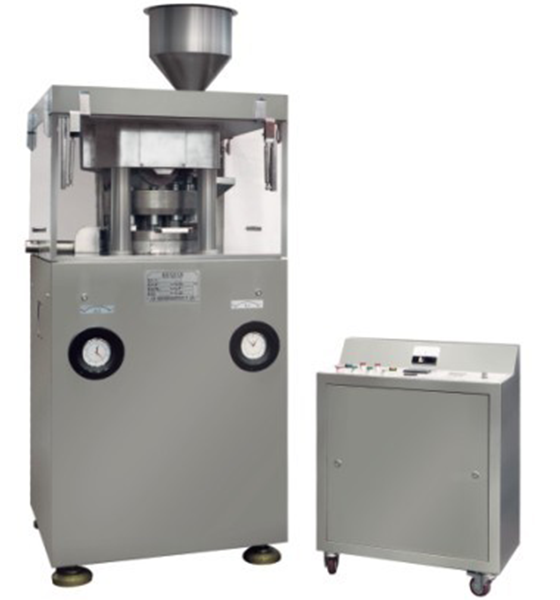
Troubleshooting Powder Sticking in Disinfection Tablet Press Dies
Industry Background and Market Demand
The global demand for disinfection tablets has surged due to heightened hygiene awareness, particularly in healthcare, water treatment, and food processing industries. These tablets, often composed of chlorine-based compounds or other active ingredients, require precise manufacturing to ensure consistent dissolution rates and efficacy.
Tablet compression is a critical step in production, where powder sticking in dies can lead to defects, downtime, and increased costs. Manufacturers face pressure to optimize press performance while maintaining compliance with regulatory standards. Addressing powder adhesion issues is essential for improving yield and operational efficiency.
Core Concepts: Powder Sticking Mechanisms
Powder sticking occurs when compressed material adheres to the die walls or punch faces, causing surface defects, capping, or uneven tablet weight. Key factors influencing this issue include:
- Material Properties: Hygroscopic or cohesive powders are prone to sticking.
- Tooling Design: Poorly polished dies or incorrect taper angles increase friction.
- Compression Force: Excessive force can exacerbate adhesion.
- Lubrication: Insufficient internal or external lubricants fail to reduce friction.
Understanding these mechanisms helps in selecting appropriate mitigation strategies.
Product Structure and Manufacturing Considerations
Disinfection tablet presses consist of several critical components:
1. Die and Punch System: High-grade tool steel (e.g., D2, D3) with precision polishing minimizes surface roughness.
2. Feeding System: Uniform powder distribution prevents localized pressure buildup.
3. Ejection Mechanism: Proper alignment ensures smooth tablet release.
Manufacturers must balance hardness and corrosion resistance in tooling materials, as chlorine-based powders can accelerate wear. Advanced coatings, such as chromium nitride (CrN), enhance durability and reduce sticking.
Key Factors Affecting Performance
1. Material Formulation:
- Binder selection impacts cohesiveness.
- Lubricant concentration (e.g., magnesium stearate) must be optimized.
2. Process Parameters:
- Compression speed and dwell time influence adhesion.
- Humidity control prevents moisture-induced sticking.
3. Tooling Maintenance:
- Regular inspection for wear or surface defects is critical.
- Proper cleaning prevents residue buildup.
Supplier Selection and Quality Control
Reliable suppliers for tablet press tooling should meet the following criteria:
- Material Certification: Compliance with ASTM or ISO standards.
- Surface Finish: Sub-micron roughness (Ra < 0.2 µm) for smooth ejection.
- Customization: Ability to tailor die geometry for specific formulations.
Third-party audits and performance guarantees help mitigate supply chain risks.
Common Challenges and Solutions
1. Inconsistent Tablet Weight
Cause: Uneven powder feed or die wear.
Solution: Optimize feeder settings and inspect tooling regularly.
2. Surface Picking or Sticking
Cause: Poor lubrication or excessive moisture.
Solution: Adjust lubricant levels or implement dehumidification.
3. Premature Tooling Wear
Cause: Abrasive powder or misalignment.
Solution: Upgrade to hardened tool steel or apply wear-resistant coatings.
Application Scenarios
- Water Treatment: Chlorine tablets must dissolve uniformly for effective sanitation.
- Healthcare: Effervescent disinfectant tablets require defect-free compression for dosage accuracy.
- Agriculture: Slow-release tablets demand precise density control.
Case studies show that optimizing tooling and process parameters can reduce rejection rates by up to 30%.
Current Trends and Future Outlook
1. Advanced Coatings: Nanostructured coatings (e.g., diamond-like carbon) are gaining traction for enhanced durability.
2. Smart Presses: IoT-enabled monitoring detects sticking in real time, reducing downtime.
3. Sustainable Formulations: Bio-based lubricants are being tested to replace traditional additives.
Future innovations may focus on AI-driven predictive maintenance and hybrid tooling materials.
FAQ
Q: How often should dies be inspected for sticking issues?
A: Weekly inspections are recommended for high-volume production, with immediate checks after formulation changes.
Q: Can sticking be reduced without altering the powder formula?
A: Yes, optimizing tooling polish, compression force, and humidity control can mitigate sticking.
Q: What is the impact of punch head design on sticking?
A: Flat-faced punches increase sticking risk; concave or beveled designs improve release.
By addressing powder adhesion systematically, manufacturers can enhance tablet quality and operational efficiency in disinfection tablet production.
Copyright © 2025 Changzhou Wangqun Pharmaceutical Machinery Co., Ltd. Tous droits réservés.
Plan du siteCe site Web utilise des cookies pour vous garantir la meilleure expérience sur notre site Web.
 English
 Español
 Pусский
 العربية



 Téléphone
Commentaire
(0)