

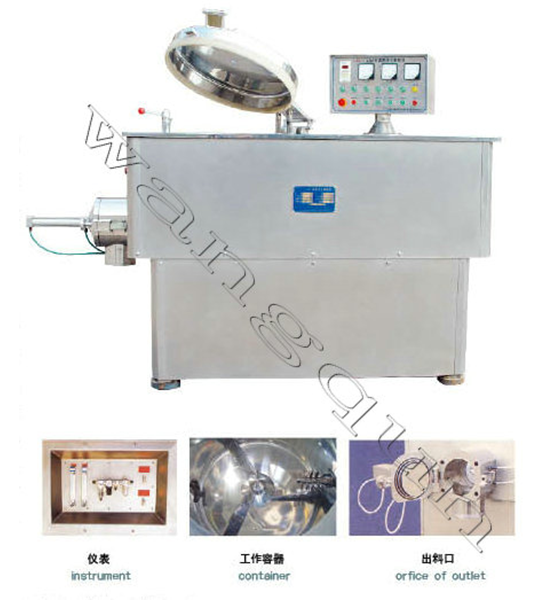
Step-by-Step Guide to Operating a Rotary Tablet Press Safely
Introduction
A rotary tablet press is a widely used machine in pharmaceutical, nutraceutical, and chemical industries for producing tablets of uniform size, shape, and weight. Operating this machine safely is crucial to prevent accidents, ensure product quality, and maintain equipment longevity. This guide provides a detailed, step-by-step procedure for safely operating a rotary tablet press, covering pre-operation checks, operation, troubleshooting, and shutdown.
---
1. Pre-Operation Safety Checks
Before starting the machine, perform the following safety and operational checks:
1.1 Personal Protective Equipment (PPE)
- Wear safety goggles to protect eyes from dust and debris.
- Use gloves to prevent hand injuries.
- Wear closed-toe shoes to avoid foot injuries.
- Ensure no loose clothing or jewelry that could get caught in moving parts.
1.2 Machine Inspection
- Check for any visible damage, loose bolts, or misaligned parts.
- Verify that all safety guards and interlocks are in place and functional.
- Inspect electrical connections for signs of wear or damage.
- Ensure emergency stop buttons are accessible and functional.
1.3 Lubrication and Cleaning
- Confirm that all moving parts (e.g., turret, punches, dies) are properly lubricated.
- Remove any residual powder or debris from previous runs to prevent contamination.
- Check oil levels in hydraulic systems (if applicable).
1.4 Tooling Setup (Punches and Dies)
- Inspect punches and dies for wear, cracks, or damage.
- Ensure proper alignment of upper and lower punches.
- Verify that the correct tooling is installed for the desired tablet shape and size.
1.5 Material Preparation
- Confirm that the powder blend is free from foreign particles and properly mixed.
- Ensure the material is within the required moisture and granulation specifications.
- Check that the hopper is clean and free from previous material residues.
---
2. Machine Setup and Calibration
2.1 Installing Punches and Dies
1. Turn off the power before installing or adjusting tooling.
2. Clean the punch and die pockets to ensure proper seating.
3. Insert the dies into the die table and secure them.
4. Install upper and lower punches into their respective positions.
5. Check punch alignment to prevent binding and ensure smooth operation.
2.2 Adjusting Fill Depth and Compression
1. Set the fill cam position to control the amount of powder in each die.
2. Adjust the compression rollers to achieve the desired tablet hardness.
3. Perform a trial run with minimal material to verify settings.
2.3 Setting Turret Speed
- Start at a low speed and gradually increase to the desired production rate.
- Avoid sudden speed changes to prevent mechanical stress.
---
3. Starting the Rotary Tablet Press
3.1 Powering On the Machine
1. Ensure all safety guards are closed.
2. Press the power button and allow the machine to initialize.
3. Check for abnormal noises or vibrations.
3.2 Feeding the Material
1. Load the powder blend into the hopper.
2. Start the feed system to ensure uniform distribution into dies.
3. Monitor the filling process to prevent overfilling or bridging.
3.3 Running the Machine
1. Begin at a low speed and observe tablet formation.
2. Check tablet weight and hardness periodically using a balance and hardness tester.
3. Adjust settings if necessary (e.g., fill depth, compression force).
4. Increase speed gradually while maintaining quality.
---
4. Monitoring and Quality Control
4.1 Tablet Inspection
- Visual checks: Look for cracks, sticking, or uneven edges.
- Weight checks: Weigh tablets at regular intervals to ensure consistency.
- Hardness testing: Use a tablet hardness tester to verify compression settings.
4.2 Machine Performance
- Monitor for unusual noises, vibrations, or overheating.
- Check lubrication levels periodically.
- Ensure dust extraction is functioning properly to prevent powder buildup.
4.3 Troubleshooting Common Issues
| Issue | Possible Cause | Solution |
|-----------|--------------------|--------------|
| Capping | Excessive compression force, poor granulation | Reduce compression, improve granulation |
| Sticking | Improper lubrication, high moisture | Adjust lubrication, dry material |
| Weight variation | Uneven fill, feed system issue | Adjust fill depth, check feed mechanism |
| Chipping | Worn punches, excessive ejection force | Replace punches, adjust ejection settings |
---
5. Shutting Down the Rotary Tablet Press
5.1 Stopping Production
1. Gradually reduce the turret speed.
2. Stop the feed system to prevent excess material from entering dies.
3. Turn off the main power once the machine stops completely.
5.2 Cleaning and Maintenance
1. Remove residual powder from the hopper, dies, and punches.
2. Clean tooling with appropriate solvents (if required).
3. Inspect punches and dies for wear and store them properly.
5.3 Lubrication and Storage
- Apply lubricant to moving parts as per the manufacturer’s guidelines.
- Cover the machine to prevent dust accumulation.
---
6. Emergency Procedures
6.1 Machine Malfunction
- Press the emergency stop button immediately.
- Do not attempt to fix the machine while it is running.
- Report the issue to maintenance personnel.
6.2 Material Spillage
- Stop the machine to prevent contamination.
- Clean the area using appropriate tools (vacuum, brushes).
6.3 Personal Injury
- Shut down the machine.
- Provide first aid if necessary.
- Seek medical attention for serious injuries.
---
7. Best Practices for Safe Operation
- Never bypass safety interlocks or guards.
- Avoid overloading the machine beyond its capacity.
- Follow a preventive maintenance schedule.
- Train all operators on safety protocols and emergency procedures.
- Keep a logbook for machine performance and maintenance records.
---
Conclusion
Operating a rotary tablet press safely requires careful preparation, proper setup, continuous monitoring, and adherence to shutdown procedures. By following this step-by-step guide, operators can minimize risks, ensure high-quality tablet production, and extend the machine’s lifespan. Always prioritize safety and follow manufacturer recommendations for optimal performance.
Copyright © 2025 Changzhou Wangqun Pharmaceutical Machinery Co., Ltd. Tous droits réservés.
Plan du siteCe site Web utilise des cookies pour vous garantir la meilleure expérience sur notre site Web.
 English
 Español
 Pусский
 العربية



 Téléphone
Commentaire
(0)