

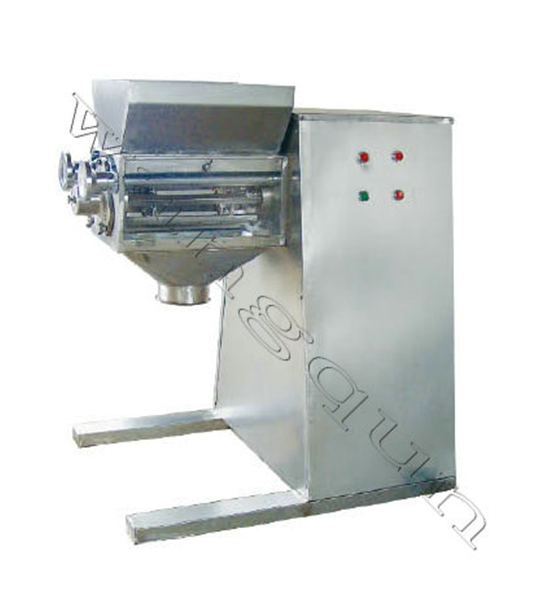
Disinfection Tablet Press for Veterinary Tablet Production: Technology and Industry Insights
Industry Background and Market Demand
The global veterinary pharmaceutical market has grown significantly due to rising pet ownership, livestock production, and disease prevention measures. Disinfection tablets, used for water treatment, equipment sterilization, and disease control in animal husbandry, require precise manufacturing to ensure efficacy and safety. A disinfection tablet press is a specialized machine designed to produce these tablets with uniform weight, hardness, and dissolution properties.
Demand for automated, high-speed tablet presses has increased as manufacturers seek to improve efficiency while complying with stringent regulatory standards (e.g., FDA, EMA, and VICH guidelines). The shift toward precision engineering and contamination-free production further drives innovation in veterinary tablet press technology.
Core Technology: How a Disinfection Tablet Press Works
A disinfection tablet press operates on the principle of compression molding, where powdered or granulated active ingredients and excipients are compressed into solid tablets. Key components include:
- Hopper & Feeder System – Ensures consistent material flow into the die cavity.
- Punch & Die Set – Determines tablet shape, size, and compression force.
- Compression Mechanism – Hydraulic or mechanical systems apply controlled pressure.
- Ejection System – Removes finished tablets without damage.
- Control Panel – Adjusts parameters like compression force, speed, and tablet weight.
Advanced models integrate disinfection-compatible materials (e.g., stainless steel 316L) and CIP (Clean-in-Place) systems to prevent cross-contamination.
Product Structure, Materials, and Manufacturing Considerations
1. Structural Design
- Single-Station vs. Rotary Presses – Rotary presses dominate high-volume production, while single-station units are used for R&D or small batches.
- Modular Construction – Allows easy disassembly for cleaning and maintenance.
2. Material Selection
- Contact Parts – Stainless steel (304 or 316L) resists corrosion from disinfectant chemicals.
- Tooling – Hardened steel punches and dies extend lifespan under high compression.
3. Manufacturing Process
- Precision Machining – Ensures tight tolerances for uniform tablet density.
- Surface Treatments – Electropolishing reduces microbial adhesion.
Key Factors Affecting Performance and Quality
1. Compression Force – Too low leads to weak tablets; excessive force causes capping.
2. Tooling Wear – Worn punches/dies result in inconsistent tablet weight or shape.
3. Material Flowability – Poorly granulated powders cause uneven filling.
4. Moisture Control – Hygroscopic ingredients require controlled humidity during compression.
5. Regulatory Compliance – Adherence to GMP and veterinary pharmaceutical standards is mandatory.
Supplier Selection Criteria for Veterinary Tablet Presses
When sourcing a disinfection tablet press, manufacturers should evaluate:
- Compliance – Meets FDA 21 CFR or EU GMP standards.
- Customization – Adjustable for different tablet sizes and formulations.
- After-Sales Support – Availability of spare parts and technical service.
- Hygienic Design – Smooth surfaces, minimal crevices, and CIP compatibility.
Leading suppliers include Fette Compacting, Korsch, and GEA, known for high-precision veterinary tablet presses.
Common Industry Challenges and Solutions
1. Cross-Contamination Risks
- Solution: Use dedicated presses or sanitizable tooling for disinfectant tablets.
2. Tablet Friability
- Solution: Optimize binder concentration and compression force.
3. Production Speed vs. Precision Trade-off
- Solution: Servo-driven presses enable high-speed operation without sacrificing accuracy.
Applications and Use Cases
- Livestock Water Treatment – Chlorine-based disinfection tablets for disease prevention.
- Veterinary Clinics – Effervescent tablets for equipment sterilization.
- Aquaculture – Slow-release disinfectants to maintain water quality.
A European manufacturer reported a 30% increase in output after upgrading to an automated rotary press with real-time monitoring.
Current Trends and Future Developments
1. Smart Manufacturing – IoT-enabled presses with predictive maintenance.
2. Sustainable Materials – Biodegradable excipients for eco-friendly tablets.
3. Miniaturization – Compact presses for on-demand production in veterinary clinics.
4. Advanced Coatings – Antimicrobial surfaces to enhance hygiene.
FAQ Section
Q: Can a standard pharmaceutical tablet press be used for disinfectant tablets?
A: Only if modified with corrosion-resistant materials and validated for disinfectant formulations.
Q: How often should tooling be replaced?
A: Depends on usage—typically after 50,000 to 100,000 compressions for optimal performance.
Q: What is the biggest regulatory hurdle in veterinary tablet production?
A: Demonstrating batch consistency and absence of contaminants in final products.
Conclusion
The disinfection tablet press is a critical asset in veterinary pharmaceutical manufacturing, balancing precision, hygiene, and regulatory compliance. As automation and material science advance, manufacturers must prioritize equipment that meets evolving industry demands while ensuring product safety and efficacy.
(Word count: 1,280)
Copyright © 2025 Changzhou Wangqun Pharmaceutical Machinery Co., Ltd. Tous droits réservés.
Plan du siteCe site Web utilise des cookies pour vous garantir la meilleure expérience sur notre site Web.
 English
 Español
 Pусский
 العربية



 Téléphone
Commentaire
(0)